ryo77160@gmail.com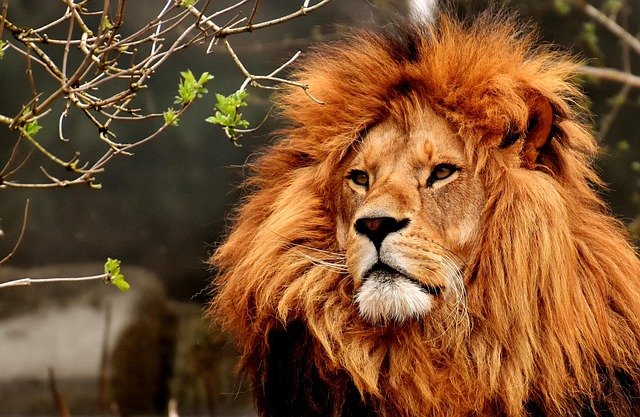
The lion hunt is a powerful theme found in ancient history, royal tradition, and wild nature. From the deserts of Mesopotamia to the savannas of Africa, hunting lions has symbolized courage, dominance, and survival. But how does lion hunting really work — and what does it mean in the wild and in human culture?
Let’s explore both sides: how lions hunt as apex predators, and how humans once hunted lions — and what it means today.
🧭 Part I: How Lions Hunt in the Wild
Lions are one of the most iconic apex predators in the world. Known for their strength and teamwork, lions hunt in ways that set them apart from many other big cats.
🦁 1. The Basics of a Lion Hunt
- Who hunts: Mostly lionesses (females). Males rarely join unless hunting big prey like buffalo or defending kills.
- When: Mostly at night (nocturnal) or early morning/evening when it’s cooler.
- Where: Open savannas, grassy plains, or dry woodlands in Africa.
🔍 2. Step-by-Step: How a Lion Hunt Works
Step 1: Spotting the Prey
- Prey includes zebras, wildebeest, antelope, buffalo, and sometimes giraffes.
- Lions use stealth and stay downwind to avoid being detected.
Step 2: Stalking
- Lionesses spread out in a semicircle.
- One or two lions might drive the prey toward hidden group members.
Step 3: The Chase
- Short, explosive chase — lions aren’t built for long chases.
- Speeds reach up to 50–60 km/h (30–37 mph), but only for short bursts.
Step 4: The Kill
- Lions aim to knock down prey and bite the throat or nose to suffocate it.
- A well-coordinated hunt takes less than a minute.
Step 5: Feeding
- Dominant females and males eat first.
- Cubs and weaker members eat last.
- Fights often break out over food.
⚖️ 3. Success Rate
- Lions only succeed in 20–30% of their hunts.
- They rely on teamwork, stealth, and surprise.
🏺 Part II: Lion Hunting in Human History
While lions are hunters, humans have hunted lions for millennia — not just for food or protection, but as symbols of power, status, and bravery.
🏛️ 1. Ancient Mesopotamia & Assyria
- Assyrian kings (like Ashurbanipal) were famous for ceremonial lion hunts.
- These weren’t wild hunts — lions were trapped and released in controlled arenas.
- Used as political propaganda: showing the king’s divine strength and control over chaos.
🖼️ Famous Artwork:
“Lion Hunt Reliefs” from the Palace of Nineveh depict the king slaying lions with arrows and spears.
🏺 2. Roman Empire
- Lions were used in gladiator arenas, not hunted.
- Symbolized conquest over wild Africa and Asia.
🏹 3. African Tribal Hunts
- Some tribes (like the Maasai of Kenya and Tanzania) historically hunted lions as a rite of passage.
- Symbol of manhood, courage, and warrior spirit.
- This tradition is now mostly ceremonial or symbolic due to wildlife protection laws.
🧨 Part III: Modern Lion Hunting — Controversy and Conservation
Today, lion hunting is highly controversial.
⚠️ 1. Trophy Hunting
- Some countries allow regulated lion hunts for foreign tourists.
- Expensive permits fund conservation efforts, but:
- It raises ethical questions
- Can hurt already declining lion populations
📉 2. Lion Population Threats
Lions once roamed much of Africa, Asia, and Europe. Today:
- Fewer than 20,000 remain in the wild
- Mostly in protected reserves in Sub-Saharan Africa
- Threats: habitat loss, poaching, human-wildlife conflict
🛡️ 3. Conservation Efforts
- Eco-tourism: Encourages conservation through photography, not hunting.
- Protected areas: Like the Serengeti, Kruger Park, and Maasai Mara.
- Education & local engagement: Empower local communities to protect lions.
🧠 Conclusion: The Lion Hunt as Nature and Narrative
The lion hunt is more than a predator-prey moment — it’s a symbol of nature’s power, human ambition, and cultural identity.
- In the wild, lions represent survival, cooperation, and strength.
- In history, they represented power and control.
- Today, the future of the lion depends not on hunting it — but on protecting it.
As we look forward, the question isn’t “how to hunt the lion” — it’s how to ensure it doesn’t vanish from the wild.