ryo77160@gmail.com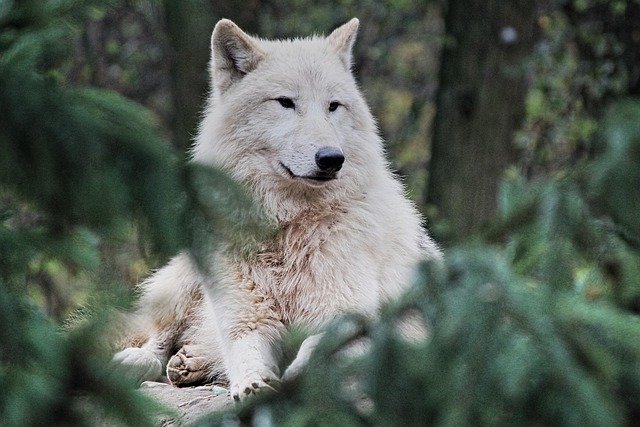
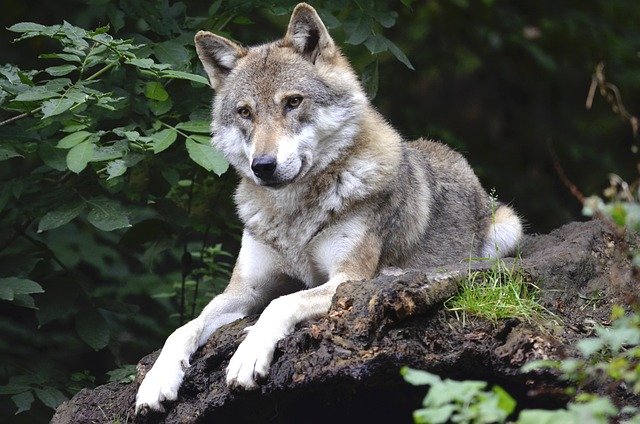
The wolf has long fascinated humans with its strength, intelligence, and mysterious presence in the wild. Known as a symbol of loyalty and resilience, wolves live a lifestyle deeply connected to survival, family, and the rhythms of nature. Understanding their way of life helps us appreciate these majestic animals beyond the myths and legends.
Life in the Pack
Wolves are highly social animals that live in packs, usually made up of an alpha pair (male and female), their offspring, and sometimes a few other members. The pack is more than just a group — it’s a family unit. Every wolf has a role, from hunting to protecting the young. This teamwork is what makes wolves some of the most successful predators in the animal kingdom.
Hunting and Diet
Wolves are carnivores, and their main diet includes deer, elk, moose, and smaller animals like rabbits. Unlike solitary predators, wolves rely on group cooperation to hunt. They chase prey over long distances, using endurance rather than speed to tire the animal before taking it down. This hunting strategy shows the importance of unity in wolf survival.
Communication and Intelligence
The iconic howl of a wolf is more than just a haunting sound — it’s a form of communication. Wolves howl to mark territory, call to their pack, or warn intruders. They also communicate through body language, scent marking, and facial expressions. Their intelligence allows them to plan hunts, solve problems, and adapt to changing environments.
Habitat and Daily Life
Wolves can survive in diverse habitats, from snowy tundras to dense forests and open grasslands. A day in the life of a wolf involves traveling with the pack, hunting, playing, and resting together. They are nomadic and can travel great distances in search of food, sometimes covering up to 30 miles in a single day.
Family and Loyalty
One of the most striking aspects of wolf lifestyle is their loyalty. Wolves mate for life, and parents care deeply for their pups, teaching them skills needed for survival. Older siblings often help raise the younger ones, reinforcing the pack’s strong family bonds.
Final Thoughts
The lifestyle of the wolf is a delicate balance between survival and family unity. These creatures embody strength, cooperation, and loyalty, qualities that humans have admired for centuries. Far from being just fierce hunters, wolves are symbols of harmony with nature and the importance of community.